
Household Solar Power in 2026: Compare the Right System for Your Home

A bigger solar system isn’t automatically the right one for your home. With household solar power, when you use electricity can matter as much as how much you use, especially when deciding whether to add a battery or draw from the grid after sunset.
It’s easy to focus on panel numbers and system size when comparing quotes. But the right fit also depends on your household’s daily routine, whether you want backup during an outage and how your needs may change. Export arrangements and available incentives can vary across Australia, so proposals should reflect your property and circumstances, not a one-size-fits-all recommendation.
This guide compares grid-connected solar, solar with battery storage and off-grid systems, and explains what each option can and can’t do. You’ll find a practical way to assess proposals, including questions about electricity use, backup capacity, your switchboard and future plans. Use it to have a more informed discussion with a qualified installer about what could suit your home.
Table of Contents
Household solar power explained: what does a home system include?
Compare household solar power setups: grid-connected, battery-backed, or off-grid
How to compare household solar power proposals for your home
Choose household solar power using your energy use and backup priorities
Plan household solar power installation with a qualified electrical contractor
Household solar power explained: what does a home system include?
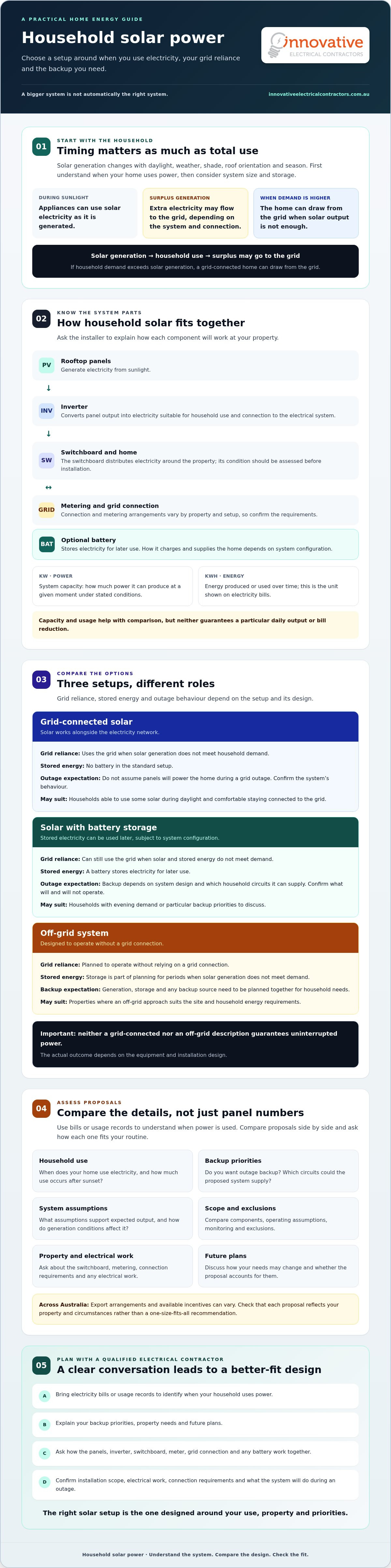
Household solar power uses rooftop photovoltaic (PV) panels to generate electricity for a home. A typical grid-connected system also includes an inverter, electrical connections to the home switchboard and grid, and metering. The panels generate electricity from sunlight; the inverter converts it into a form household appliances can use. For a high-level overview of the technology, see Solar power.
Solar generation changes with daylight, weather, shade, roof orientation and season. A proposal should explain the assumptions behind its expected output rather than promise a fixed amount of power or a particular reduction in your bill.
What happens to solar electricity as it is generated?
Appliances running while the panels are producing electricity can use some of that generation straight away. If the panels produce more than the home needs, surplus electricity may flow to the grid, depending on the system and connection arrangements. If the home needs more electricity than the panels are producing, such as in the evening, it can draw power from the grid. A grid-connected home therefore still relies on the grid when solar generation doesn’t meet demand.
A grid-connected solar system supplies the home with available solar electricity, exports surplus to the grid and draws from the grid when household demand exceeds generation.
System proposals usually describe capacity in kilowatts (kW), a measure of how much power a system can produce at a given moment under stated conditions. Kilowatt-hours (kWh), shown on electricity bills, measure energy produced or used over time. These terms help you compare a proposed system’s capacity with household consumption, but they don’t guarantee a particular daily output.
What equipment may a household solar system need?
Solar panels and an inverter are common parts of a grid-connected setup. The inverter changes the panels’ output into electricity suitable for household use and connection to the home’s electrical system. The switchboard distributes electricity around the property. Its condition should be assessed as part of installation planning, as the proposed setup may require electrical work.
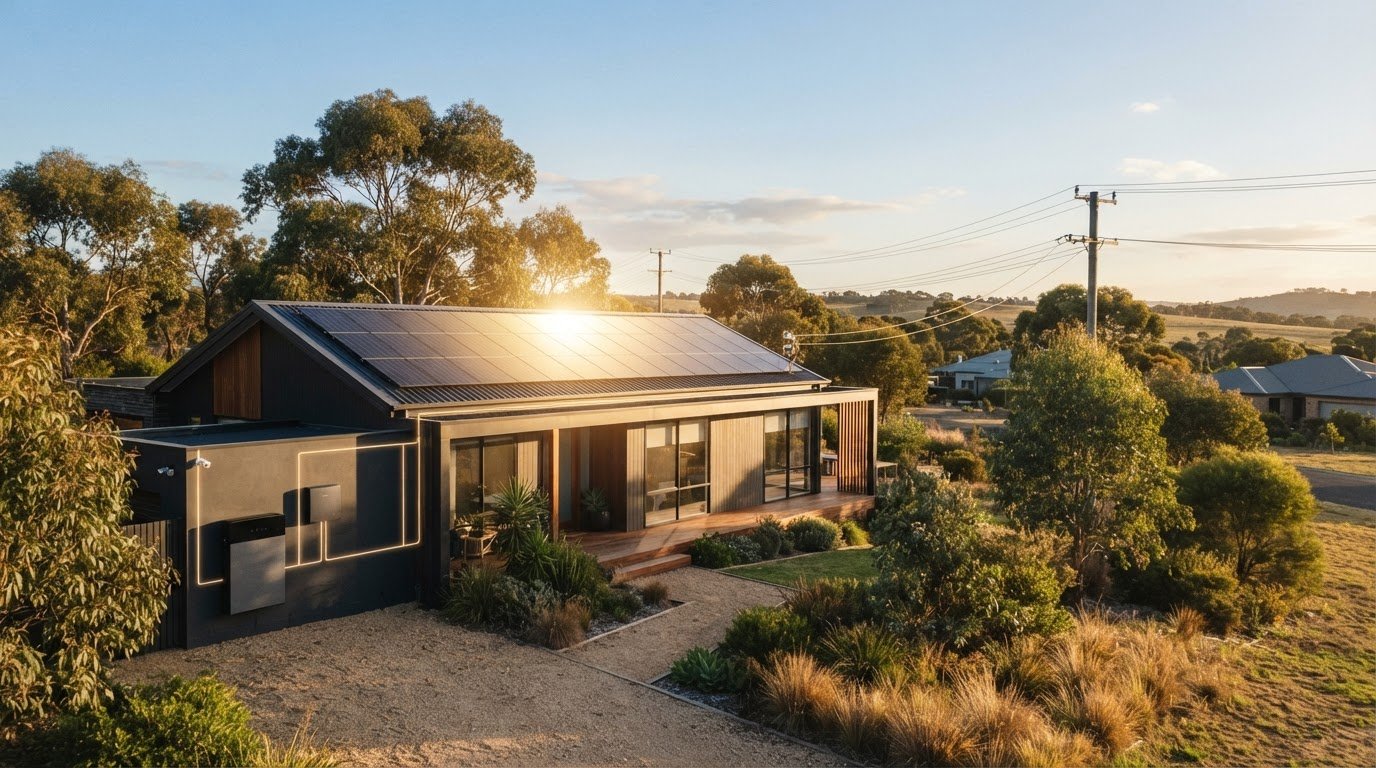
A battery can store electricity for later use, but how it charges and supplies the home depends on the system configuration. Metering arrangements and connection requirements also vary by property and setup, so check them rather than assume. Ask the installer to explain how the panels, inverter, switchboard, meter, grid connection and any battery will work together in your home.
Compare household solar power setups: grid-connected, battery-backed, or off-grid
The right configuration depends on when your household uses electricity, how much you’re comfortable relying on the grid and whether you want power during an outage. Compare what each setup is designed to do, then ask an installer to confirm how the proposed system would work at your property.
Grid-connected solar works alongside the electricity network; off-grid power is planned to meet household needs without relying on that connection. Neither description guarantees uninterrupted power. The actual outcome depends on the equipment and installation design.
When might grid-connected solar without a battery suit a home?
This setup may suit households that can use a meaningful share of their solar generation while it’s being produced. That could include households where people are home during daylight hours or can shift some electricity use to then. The grid remains part of the supply, providing electricity when demand exceeds solar generation. Don’t treat panels alone as outage backup. Ask the installer to explain what happens if the grid connection is unavailable.
When should homeowners compare batteries or off-grid systems?
Compare a battery if evening use or backup is a priority. Ask which circuits it could support and how the system is designed to operate during an outage. An off-grid system needs a plan for generation, storage and backup, not just an estimate of panel size. Innovative Electrical Contractors offers off-grid solutions incorporating solar, batteries and generators. To discuss household needs and electrical infrastructure, explore solar and battery solutions.
How to compare household solar power proposals for your home
Two proposals can recommend similar system capacities but differ in equipment, assumptions and included work. Compare them line by line, not just by panel count. Check the specified panels, inverter and any battery, as well as expected generation, monitoring arrangements, installation scope and exclusions. Ask each installer to explain how the design reflects your household’s actual electricity use.
Which questions reveal whether a proposed system suits your household?
Start with your usage records. Ask how the proposal accounts for daytime consumption, evening demand and likely changes, such as adding major electrical loads. Clarify what the system is designed to do during a grid outage, if anything. Request a plain-language explanation of monitoring, ongoing maintenance and system limitations. If a battery is included, ask what care it may need over time and consult a relevant resource such as Solar Battery Maintenance.
Expected generation is an estimate, not a guaranteed outcome. Ask which assumptions depend on the site assessment, including roof conditions, shading and proposed equipment. Check that proposals use comparable assumptions so you’re not comparing estimates based on different conditions. For Australian guidance, check current information from relevant government and energy authorities, and ask the installer how it applies to your property.
How do electrical infrastructure and system design affect the comparison?
Your property affects the design. Ask whether the existing switchboard and electrical installation need assessment, and whether any upgrades or additional work are included in the proposal or excluded. System compatibility and connection requirements depend on the home, so request a clear explanation of what needs checking before the final scope is confirmed. A qualified electrical contractor can assess your household’s energy needs alongside its electrical infrastructure.
Use a simple comparison list for each proposal:
Equipment: Which components are specified, and how do they work together?
Assumptions: What household usage and site conditions inform the generation estimate?
Monitoring and care: What can you track, and what maintenance should you plan for?
Scope and exclusions: What electrical work, metering or connection requirements still need confirmation?
For related background, look for Modern Electrical Services for Australian Properties. Before choosing a household solar power proposal, ask the installer to explain any differences you can’t reconcile. Clear answers make it easier to compare like with like and understand what the system is intended to deliver.
Choose household solar power using your energy use and backup priorities
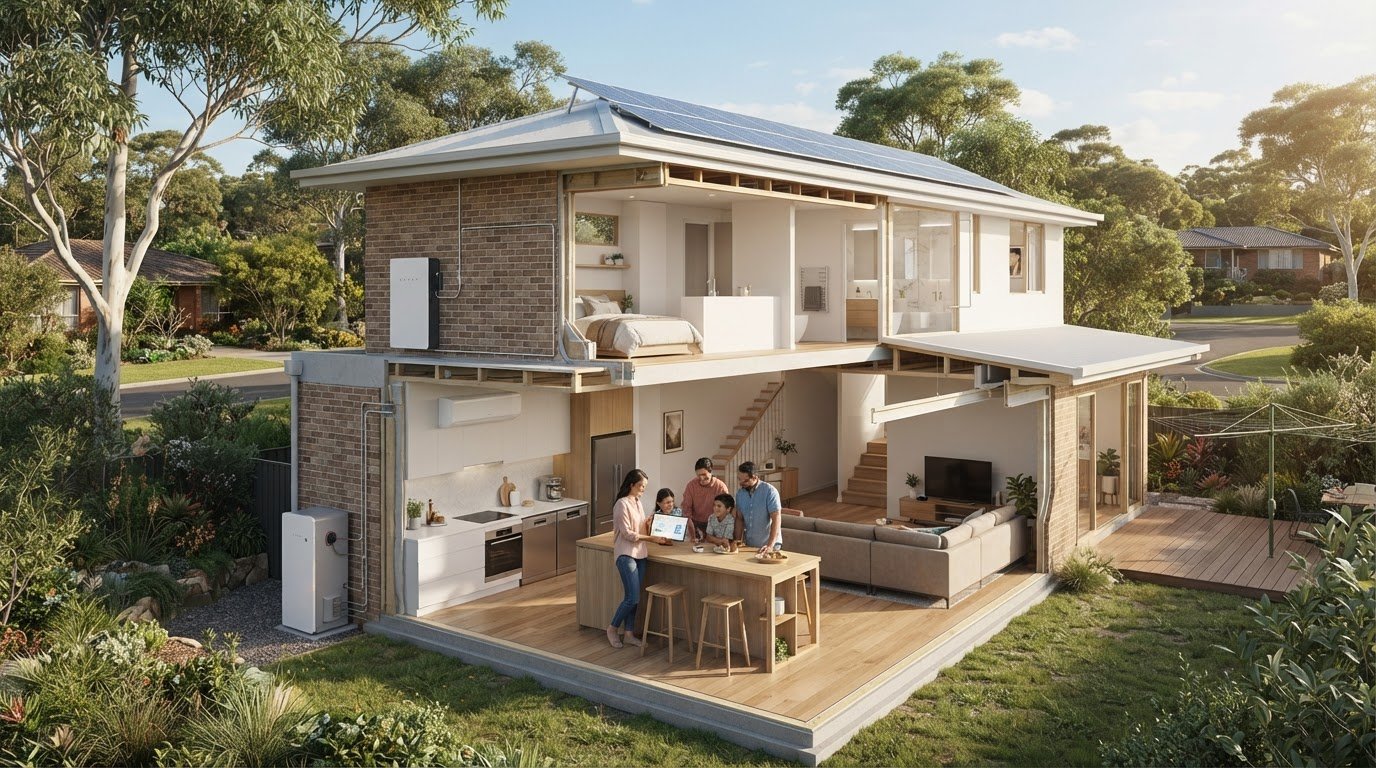
Start with how your home uses electricity, not a guessed system size. A few practical checks can help you explain your priorities to an installer and assess whether their recommendation fits your household and property.
How should homeowners assess electricity use before choosing a system?
Review available electricity bills or usage data across different periods. This can reveal patterns a single bill may not show. Then work through these steps:
Map your usage. Note when the household uses the most electricity, including daytime and evening periods.
List major loads. Consider items such as heating or cooling, cooking, hot water and other appliances. These are prompts for discussion, not a substitute for a site assessment.
Set your backup priorities. Decide whether you want selected household circuits or more of the home considered for backup. Ask the installer what the proposed system can support during an outage.
Think ahead. Include likely changes, such as a battery, electric vehicle or new appliances, so the design discussion accounts for future demand.
Check the proposal against the evidence. Ask how the installer’s advice reflects your usage records, priorities and property assessment findings.
This gives you a clearer basis for comparing household solar power options. It can also show where an estimate relies on assumptions that need to be checked at your home.
What national requirements and incentives should homeowners verify?
Before proceeding, ask the installer which Australian requirements, relevant standards and state or territory rules apply to your proposed system and connection. Requirements can depend on the property and system design, so confirm what applies to your situation rather than relying on a general claim.
If a proposal refers to Small-scale Technology Certificates (STCs) or another incentive, check current eligibility, conditions and any relevant deadlines using official Australian information and the installer. Don’t assume you qualify or that the same rules apply to every home. Ask for any incentive assumptions to be clearly stated in the proposal.
Once you’ve gathered your usage information and identified your priorities, an electrical contractor can help assess your home’s electrical setup alongside the proposed system. To discuss a household solar solution, contact Innovative Electrical Contractors.
Plan household solar power installation with a qualified electrical contractor
A sound installation plan starts with your household’s needs and your property’s conditions. Discuss roof and site conditions, existing electrical infrastructure, system goals and possible future changes before settling on a design. To review comprehensive equipment packages and setup options, explore Supply and installation of solar power and solar thermal systems. A contractor can explain the available options and check relevant electrical requirements. The final installation scope and connection requirements need to be confirmed for your home.
What should homeowners prepare before requesting an assessment?
A little preparation makes the conversation more useful. Gather recent electricity bills or usage information and note when demand is highest. List your backup expectations, likely future electricity needs and any solar or battery equipment already at the property. You don’t need to choose a system size in advance. Share the information and let the assessment guide that discussion.
Ask which panels, inverter and battery components are proposed, and how they work together.
Clarify what the installation includes and what may need separate assessment or work.
Ask how to monitor the system and what ongoing care it may need.
Discuss what the system is designed to do during a grid outage, if backup matters to you.
These details give the installer a clearer picture of your priorities and help you understand the reasoning behind a household solar power recommendation.
How can a homeowner make the next step straightforward?
Ask for a plain-language explanation of the options, the assumptions behind performance estimates, what’s included and what still needs checking. Confirm current standards, connection steps and incentive details directly with the installer, as requirements and eligibility can depend on the system, property and location. If an answer is unclear, ask for an explanation before you decide.
For a new build, consider the guide How to Plan Electrical and Energy Systems for New Homes in 2026 as you discuss future energy needs and electrical planning. A careful assessment connects your goals with site conditions and the electrical setup, rather than relying on a generic system recommendation.
For a discussion of your household’s needs and possible system configurations, Talk with Innovative Electrical Contractors about solar and battery options.
Make your next solar decision with confidence
The right household solar power setup starts with your electricity use and backup priorities, not a guessed panel count. Compare grid-connected, battery-backed and off-grid options against when your household needs power, then review each proposal’s assumptions, equipment and exclusions.
A property assessment matters too. Roof and site conditions, your existing electrical setup and future plans can all shape the recommended system. Ask a qualified electrical contractor to explain the options, confirm what the installation includes and clarify any connection requirements for your home.
Innovative Electrical Contractors provides residential solar and battery installations, off-grid systems incorporating solar, batteries and generators, and electrical services including switchboard upgrades and fault finding. To discuss what may suit your property, contact Innovative Electrical Contractors about household solar and battery options.
With clear information and advice grounded in your home’s needs, you can make the next step with greater confidence.
Frequently Asked Questions
What is household solar power?
Household solar power uses panels to generate electricity for a home. In a grid-connected setup, the home can use solar generation while it’s available and draw electricity from the grid when needed. Some households add a battery to store electricity for later use. The right configuration depends on household energy use, property conditions and whether backup or off-grid operation is a priority.
Is a battery necessary for household solar power?
No. A home can have grid-connected solar without a battery. A battery may be worth comparing if your household uses substantial electricity in the evening, wants to store some solar generation or has particular backup priorities. Whether it’s suitable depends on your usage, the system design and your expectations. Ask the installer what the battery is designed to do, what it won’t provide and which household circuits it can support.
Can household solar power run a home during a blackout?
Not automatically. A grid-connected solar system may shut down during a grid outage, so having panels doesn’t necessarily mean your home can use their generation during a blackout. Backup capability depends on the system design and equipment. Ask the installer whether backup is included, which circuits it can support and what limitations apply. Confirm these details for your specific setup rather than assuming the panels will keep the whole home running.
How much household solar power does a home need?
There’s no single system size that suits every home. An assessment should consider electricity use at different times of day, roof and site conditions, existing equipment and likely future loads. Review your bills or available usage data, then ask the installer to explain how the proposed system and its generation assumptions relate to your household. Don’t choose based only on a headline panel count. Check the design against your actual needs.
What is the difference between grid-connected and off-grid household solar power?
A grid-connected home remains linked to the electricity network and can draw from it when solar generation doesn’t meet demand. An off-grid home is designed to operate without that connection, so its generation, storage and any backup need to be planned together. Neither setup suits every property. Ask an installer to explain how the design meets your household requirements and what limitations to expect.
Do Australian households need approval to install solar panels?
Requirements can depend on the system, property, network connection and applicable state or territory rules, so don’t assume one process applies across Australia. Before work proceeds, ask the contractor which current requirements and connection steps apply to your home, and who is responsible for each. Check any standards or incentive information against current authoritative guidance, and ask the installer to clarify how the relevant requirements affect your proposed setup.
Comments