
Home battery grid connection rules in Victoria: what applies
The grid connection rules for home battery storage in Victoria depend on the applicable safety standards and whether the system exports electricity. Battery installation standards cover systems over 1 kWh, and Solar Victoria’s guidance refers to AS/NZS 5139:2019 for physical protection. Under fixed distributor limits, Victorian systems can generally export up to 5 kW per phase.
It’s easy to assume that connecting a battery simply means installing it beside existing solar equipment. In practice, installation requirements and grid connection conditions depend on the system and how it operates.
This guide explains which batteries the standards cover, the installation rules that apply and what changes when a system moves from non-export to export. It also explains how export limits and connection requirements affect home battery storage in Victoria.
Table of Contents
Battery systems covered by the standards
Victoria’s battery requirements depend on the system’s capacity, voltage, wiring and connection setup. Solar Victoria’s guidance refers to several standards covering battery safety and electrical installation.
Export and Non-Export Setups
An export system can send surplus electricity to the grid, while a non-export system is configured to prevent electricity flowing back. This distinction matters because changing the system’s operating mode can change its grid connection requirements.
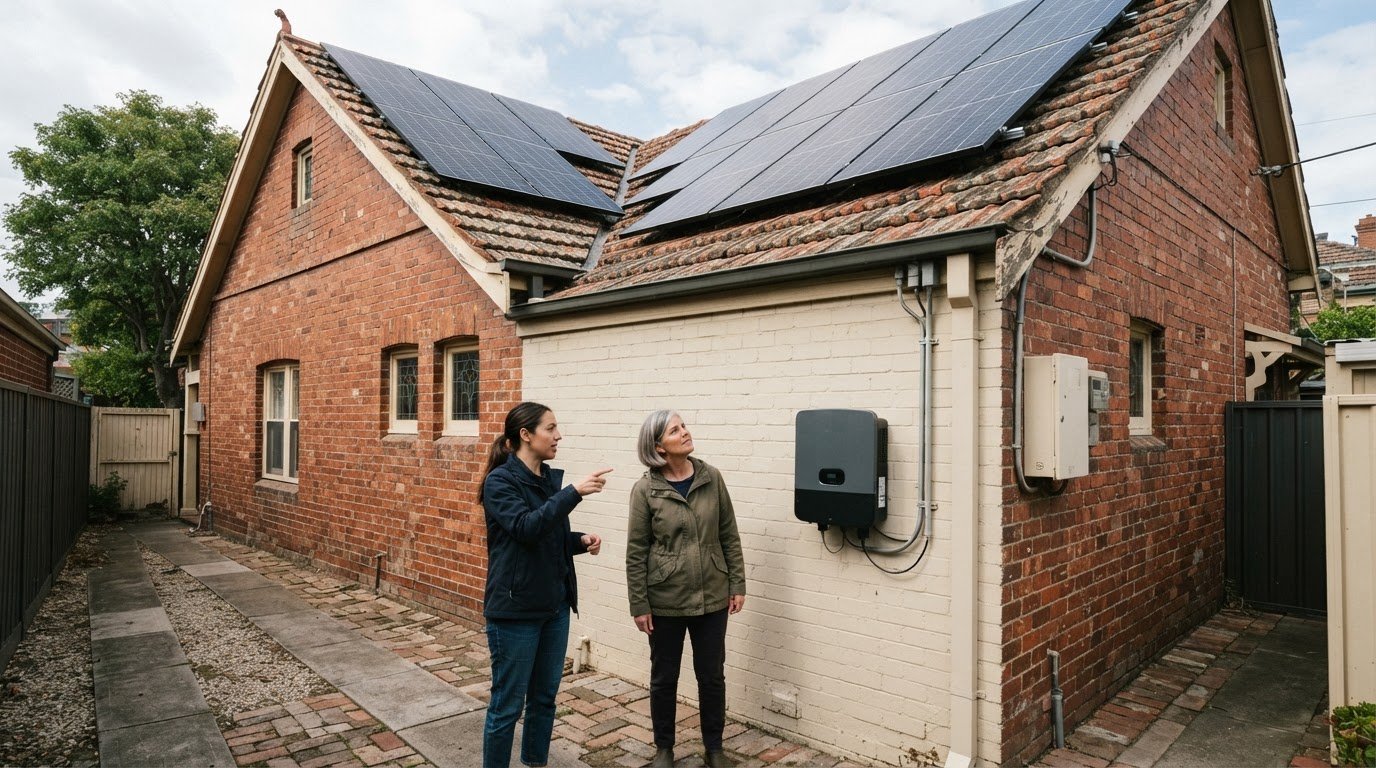
A battery added to existing solar is commonly AC-coupled, with a separate inverter. In Victoria, that inverter counts towards the property’s total inverter capacity. In either setup, the battery can store solar energy for household use, but exporting stored energy depends on the approved connection arrangement.
Battery System Categories
AS 5139 applies to low-voltage battery systems up to 1,500 V DC or 1,000 V AC. Its scope includes systems rated at 12 V or more and 1 kWh or more, with a 12 V, 90 Ah battery given as an example of a system covered.
The standard applies to residential, commercial and industrial buildings. Mobile applications such as caravans, along with UPS and telecommunications systems, are outside its stated scope. These categories help identify which battery installations are covered by the standard’s requirements.
Wiring rules apply alongside battery-specific requirements. Solar Victoria’s guidance refers to AS/NZS 3000:2018 for wiring protection and AS/NZS 5033:2021 for photovoltaic array installation and safety. Together, these standards are relevant when a battery connects to existing solar wiring or when work alters the electrical installation.
Retrofitting a battery to an existing solar system can involve changes to wiring, inverters and circuit protection. The configuration matters: AC coupling uses a separate battery inverter, while the existing solar inverter remains part of the system. Any alteration should account for how the equipment connects and works together.
A grid-connected solar-only system generally shuts down during an outage because anti-islanding prevents it from sending electricity into the grid. A battery must be configured for backup to supply power during an outage, and not every system provides this function. With a three-phase supply, backup may serve only one phase.
What Are the New Battery Installation Standards?
Victoria’s BESS installation guidance identifies AS/NZS 4777.1:2024 for inverter-connected energy systems. Distributor conditions also vary, affecting approval pathways and permitted exports.
Installer Accreditation and Approved Batteries
Battery installations should be completed by installers registered or licensed and accredited for battery work. This is important because the installation must meet electrical safety and system requirements, not simply connect equipment to existing wiring.
For example, Australia’s Cheaper Home Batteries Program requires an installer accredited by Solar Accreditation Australia. This requirement applies to eligible installations seeking the program’s discount, so installer accreditation is relevant when assessing eligibility.
Product Certification and CEC Approval
Under the Cheaper Home Batteries Program, eligible battery systems must have Clean Energy Council accreditation and appear on its approved products list. These criteria determine whether a battery meets the program’s product requirements.
They are separate from the technical standards governing installation. Victoria’s BESS guidance identifies AS/NZS 4777.1:2024 for inverter-connected systems, while AS/NZS 5139:2019 covers battery-system safety. A product’s program approval does not remove the need for compliant electrical work.
Connection Pre-Approval
Connection pre-approval is the distributor’s assessment of a proposed system before it operates in parallel with the grid. It matters because inverter capacity and technical settings can affect the connection outcome.
Some jurisdictions require a grid connection application and inspection for battery installations. In Victoria, CitiPower and Powercor customers can receive automatic or streamlined approval for up to 30 kW of total inverter capacity, subject to supply capacity and technical requirements. An AC-coupled battery’s separate inverter counts towards that total.
Distributor Connection Requirements
Requirements differ by network area, system capability and export arrangement. Victoria’s fixed export limits generally allow up to 5 kW per phase. When flexible exports are offered, CitiPower and Powercor may allow up to 10 kW, while AusNet may allow up to 5 kW per phase.
Rural SWER connections in AusNet’s area have a 3.5 kW export limit. For systems that are not emergency-backstop compliant, typical limits are 0 kW in CitiPower and Powercor areas, 0.5 kW in Jemena areas and 1 kW in AusNet areas. For help aligning battery and inverter work with these requirements, explore solar and battery electrical work.
Australian home battery installation standards
Australian battery work sits within electrical safety laws and installation standards. Victoria’s framework includes the Electricity Safety Act 1998 and Electricity Safety (General) Regulations 2019. Solar Victoria’s battery guidance refers to AS/NZS 5139:2019 for battery-system safety and physical protection.
AS/NZS 5139 applies to newly installed or altered systems rated at 12 V or more and 1 kWh or more. Its scope covers residential, commercial and industrial buildings, but excludes mobile applications such as caravans, plus UPS and telecommunications systems. For stand-alone power systems, Victoria’s BESS guidance also identifies AS/NZS 4509.1:2009.
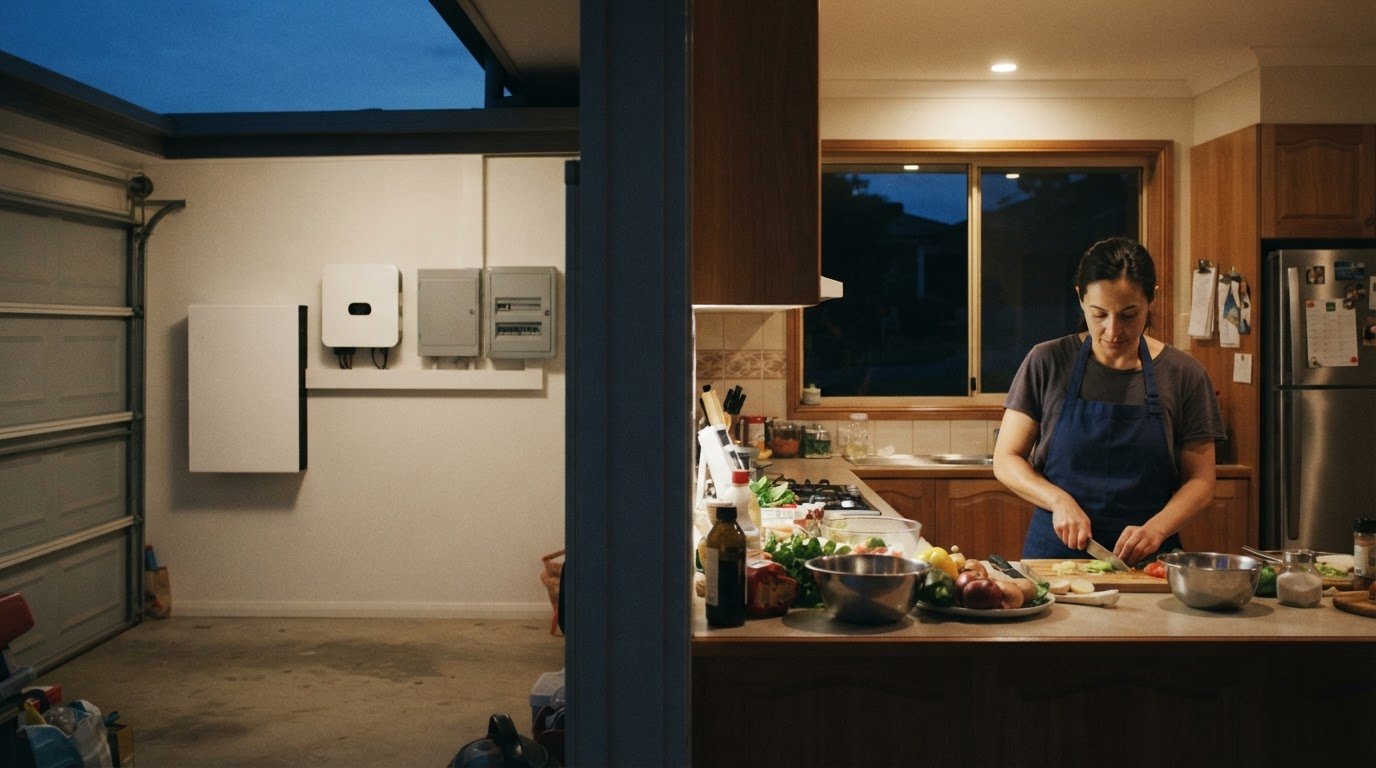
Placement matters. Battery installation rules include restrictions on wall materials and minimum distances from habitable spaces, doors and windows. Installations typically need 600 mm clearance from combustible materials unless the enclosure is certified otherwise. Solar Victoria’s guidance also references AS/NZS 1530.1-1994 for combustibility testing of building materials, components and structures.
Installer qualifications and system records are part of a compliant installation. Battery installers should be registered or licensed and accredited for battery work. For prescribed solar or battery electrical work, a Victorian electrical inspection should be completed within 8 business days after the work is finished.
Audits provide another way to assess installation quality. Independent auditors used Solar Victoria’s battery audit checklist to inspect rebated Solar Homes Program installations. Solar Victoria cautions that some Australian Standards may have changed since resources were developed in 2023, so installers need to apply the relevant current requirements.
Costs depend on the battery, site layout, wiring and any switchboard changes. The Cheaper Home Batteries Program began offering an upfront discount on eligible small-scale battery installation costs on 1 July 2025. Eligible systems must have usable capacity between 5 kWh and 100 kWh, with the rebate calculated on the first 50 kWh. Any system alteration should comply with the applicable standards for the changed work.
Changing from non-export to export
A non-export system is configured to prevent electricity flowing back into the grid. Switching to export changes how the battery and inverters operate, so the property’s grid connection must account for the new export arrangement.
The distributor’s process matters before export begins. Connection conditions depend on the network area, total inverter capacity and technical requirements. For example, an AC-coupled battery has a separate inverter, which counts towards the property’s total inverter capacity. The approved export setting must suit the system and connection, not just the battery’s capabilities.
Supply capacity can affect the approval pathway. CitiPower and Powercor customers can receive automatic or streamlined approval for up to 30 kW of total inverter capacity, subject to supply capacity and technical requirements. Larger or non-standard systems can require a manual technical assessment or negotiated connection. Grid upgrades may also be needed for some connections.
Export eligibility can also depend on emergency-backstop compliance. Victoria’s emergency backstop requirements apply to rooftop solar installed or upgraded from 1 October 2024, with some like-for-like warranty replacement exceptions. In CitiPower and Powercor areas, systems that are not emergency-backstop compliant typically have a 0 kW export limit. That makes the equipment configuration and relevant network rules important when changing an existing setup.
A battery or system modification can also affect compliance obligations. An upgrade or modification triggers a requirement for the whole system to meet the new standards. Prescribed solar or battery electrical work also requires a Victorian inspection within 8 business days of completion. These requirements help distinguish a settings change from work that alters the installation.
Before changing operation, align the export arrangement, inverter capacity and system modifications with the connection requirements. For help with a home battery and solar setup, arrange solar and battery electrical work.
Innovative Electrical Contractors: Commercial Electrical
Innovative Electrical Contractors can help with electrical work involved in planning or changing a solar and battery setup. Its Solar & Battery service is relevant when you’re considering a home battery, integrating one with existing solar or changing from non-export to export.
Connection rules, inverter capacity, wiring and installation standards all affect how a system fits together. The electrical work needed depends on the existing setup and the planned changes. Innovative Electrical Contractors also provides Electrical Services for broader electrical requirements connected with a project.
If you’re planning a battery installation or system change, contact Innovative Electrical Contractors to discuss your project.
Plan your next battery decision with confidence
Start by defining what you want the system to do: support household use, provide backup or export surplus energy. That purpose helps shape the electrical design and keeps the grid connection rules for home battery storage in Victoria relevant to your plans, rather than treating every property the same.
For home or business projects, Innovative Electrical Contractors provides Solar & Battery, Electrical Services, Commercial Electrical, and off-grid solar, battery and generator systems. The right service depends on the project, whether you’re planning a home battery, considering an off-grid setup or arranging electrical work for commercial premises.
Start a conversation about your project and the electrical work it involves. Contact Innovative Electrical Contractors to discuss your next step and move your plans forward with confidence.
Frequently Asked Questions
What are Victoria’s current grid connection rules for home battery storage?
Victoria’s requirements combine battery safety standards, electrical installation rules and distributor connection conditions. The grid connection rules for home battery storage in Victoria depend on the system design, inverter capacity and whether it exports electricity. For example, adding an AC-coupled battery adds a separate inverter to the property’s total capacity. A battery also needs suitable configuration to provide backup during an outage.
Do Victorian homes need distributor approval before installing a grid-connected battery?
Some jurisdictions require a grid connection application and inspection for battery installations, while Victorian connection conditions depend on the local distributor. The application process is especially relevant when the proposed system exports electricity or changes the property’s inverter capacity. For example, an AC-coupled battery’s separate inverter counts towards the total. Approval may be automatic or streamlined, or require a technical assessment.
What battery inverter export limits apply in Victoria?
Fixed export limits in Victoria generally allow up to 5 kW per phase. Where flexible exports are offered, CitiPower and Powercor may allow up to 10 kW, while AusNet may allow up to 5 kW per phase. Rural SWER connections in AusNet’s network area have a 3.5 kW limit. Export capacity also depends on the connection and applicable technical requirements.
What permits, inspections and electrical certificates are required for a home battery in Victoria?
Prescribed solar or battery electrical work should have a Victorian electrical inspection completed within 8 business days of completion. The inspection is a specific requirement for prescribed work. Installation must also meet applicable electrical and battery standards, including requirements for wiring and system protection. The exact work scope matters: adding backup supply or altering a switchboard can affect the protection required for the changed circuits.
How long does battery grid connection approval take, and what are the steps?
The distributor assesses the proposal, and the approval pathway depends on system size, supply capacity and technical requirements. First, the proposed battery and inverter configuration is submitted for connection assessment. Eligible systems may receive automatic or streamlined approval, while larger or non-standard proposals may require a manual technical assessment. Installation and any required electrical inspection follow the applicable approval and work requirements.
What fees or costs apply to connecting a home battery to the Victorian grid?
A paid manual technical assessment or negotiated connection for a larger or non-standard Victorian system can cost from hundreds to several thousand Australian dollars. Additional grid upgrade costs may also apply. The connection pathway and required network work affect the overall expense, so straightforward approval and proposals requiring detailed assessment or network changes can involve different costs.
Comments