
EV Charger Installation Melbourne: The Complete 2026 Guide to Australian Standards

Updated: Sep 2
Did you know that nearly one in four new cars hitting Australian roads in 2026 is now fully electric? If you’ve recently joined this shift, you’re likely looking for a professional EV charger installation specialist to move beyond the limitations of a standard wall plug. It’s completely normal to feel a bit of anxiety regarding home fire safety or the hidden costs of switchboard upgrades. You want a solution that works every time you plug in, without the stress of electrical faults or confusing plug types.
This guide is designed to give you total peace of mind by mastering the complexities of modern charging. We’ll show you how to achieve a future-proofed setup that meets rigorous Australian safety standards while slashing your energy bills through clever solar optimisation. From understanding the mandatory AS/NZS 3000:2018 wiring rules to choosing between single-phase and three-phase power, we provide the expert clarity you need. We’ll preview the essential steps for a professional installation that protects your investment and ensures your vehicle is always ready for the road ahead.
Table of Contents
The Evolution of Australian Electric Vehicle Infrastructure
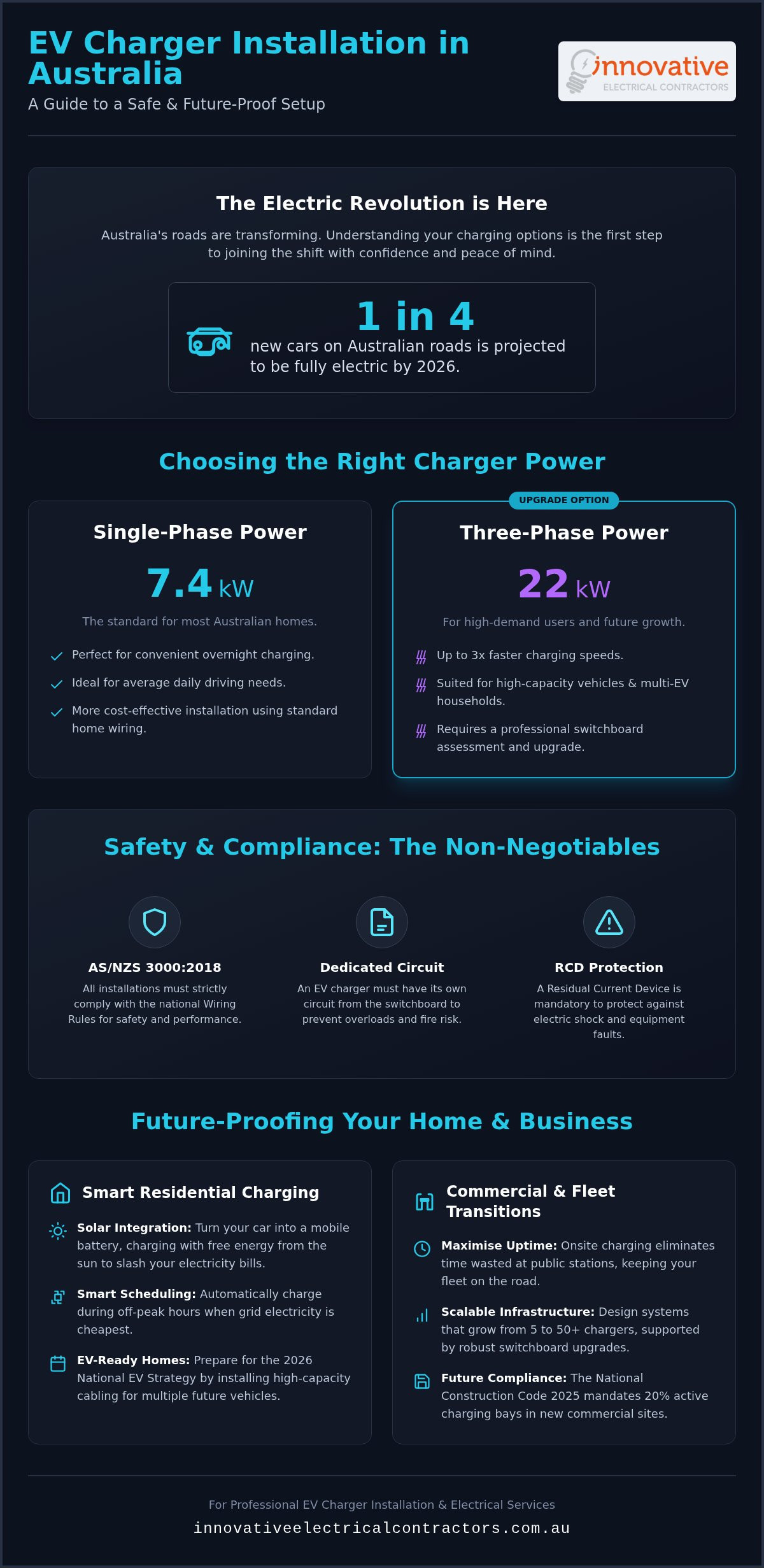
The traditional petrol station model is rapidly losing its dominance. As Electric vehicle adoption in Australia accelerates, the focus has shifted to where cars spend most of their time: at home and the workplace. This transition isn't just about convenience; it's a fundamental change in how we manage energy. The National Electric Vehicle Strategy now mandates that new developments are "EV-ready," ensuring properties have the conduit and capacity for future growth. Professional electrical contractors are the bridge here, helping homeowners and businesses upgrade their infrastructure to meet this surging demand.
Understanding the hardware is the first step. Level 1 charging uses a standard 10A socket but is often too slow for daily use. Level 2 AC charging is the sweet spot for homes and businesses, offering significantly faster speeds through a dedicated circuit. Professional ev charger installation melbourne services ensure these systems are integrated safely without overloading your existing switchboard. Finally, Level 3 DC rapid chargers serve the public network for long-distance travel, but they aren't practical for daily residential use due to their extreme power requirements.
Residential Charging Trends for 2026
Smart chargers are the standard for 2026. They don't just sit there; they talk to the grid. These units automatically hunt for the cheapest off-peak rates or sync with your solar panels to ensure you're driving on sunshine. For families planning new home builds, future-proofing means installing high-capacity cabling now to support two or three vehicles later. It's a "plug-and-forget" lifestyle that removes the chore of refuelling. Most households now opt for tethered cables for the sheer ease of use, making the daily routine as simple as plugging in a smartphone.
Commercial and Industrial Fleet Transitions
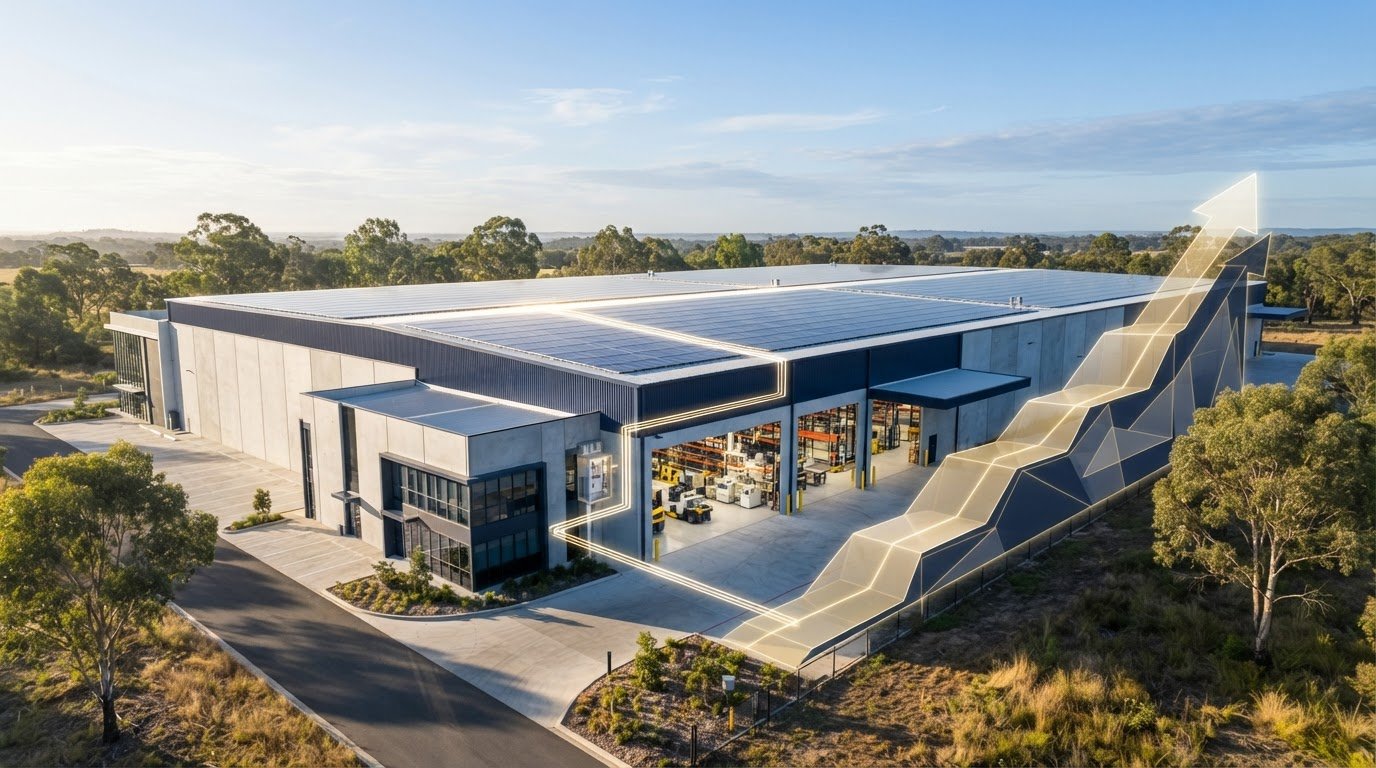
Logistics and fleet managers are seeing the biggest shift. Onsite charging eliminates the downtime of sending drivers to public stations. Under the National Construction Code 2025, commercial sites are now looking at 20% active charging bays upon completion. It's about scalability. You might start with five chargers today, but your infrastructure needs to handle fifty tomorrow. Managing these high-load demands in warehouse or office environments requires precision fault-finding and robust switchboard upgrades to keep operations running smoothly. We focus on creating a unified system where solar, batteries, and charging work together to keep fleet costs low and reliability high.
When making the switch to electric, disposing of your old petrol or diesel vehicles is often the first step; to simplify this process, you can visit Rapid Car Removal and receive immediate cash for any unwanted cars or vans.
Selecting the Optimal EV Charger for Australian Conditions
Choosing the right hardware involves more than just picking a brand. It requires a technical understanding of how the unit interacts with your property's electrical system. For an ev charger installation melbourne project, you must first ensure the unit uses a Type 2 (Mennekes) connector. This is the national standard for AC charging in Australia, ensuring compatibility with almost every modern electric vehicle. Durability is equally important. Our local climate demands an IP-rated enclosure, typically IP54 or higher, to protect sensitive electronics against dust and driving rain.
You also need to decide between a tethered or untethered cable. A tethered unit has the cable permanently attached. It offers the ultimate convenience for daily use because you don't have to retrieve a cable from your boot. An untethered unit requires you to plug in your own cable every time. While it looks neater on the wall, it adds an extra step to your routine. We find that most residential users prefer the simplicity of a tethered system for their primary charging spot.
Single-Phase vs Three-Phase Power
Most residential properties in Australia operate on single-phase power. This typically limits your charging speed to approximately 7.4kW. For the average driver, this is more than enough to refill a battery overnight. However, if you have a high-capacity vehicle or manage a multi-EV household, a three-phase upgrade might be a wise investment. This allows for speeds up to 22kW, provided your vehicle's onboard charger supports it. Aligning your home setup with the Victorian Government's ZEV Roadmap often means considering these infrastructure upgrades early to avoid future bottlenecks. Balancing the speed of a three-phase unit against the cost of the upgrade is a key part of our electrical services consultation.
Smart Features and Data Integration
Modern chargers are sophisticated energy management tools. Wi-Fi and Bluetooth connectivity allow you to monitor energy consumption in real-time through dedicated apps. This data is vital for tracking costs or claiming tax deductions for business use. One of the most critical features is dynamic load balancing. This technology monitors your home's total power draw. If you turn on the oven and air conditioning simultaneously, the charger automatically throttles its speed. This prevents the main circuit breaker from tripping. For shared car parks or office environments, RFID cards or app-based authorisation prevent unauthorised power use. These smart integrations ensure your ev charger installation melbourne is both secure and efficient.
The Synergy of Solar, Battery Storage, and EV Charging
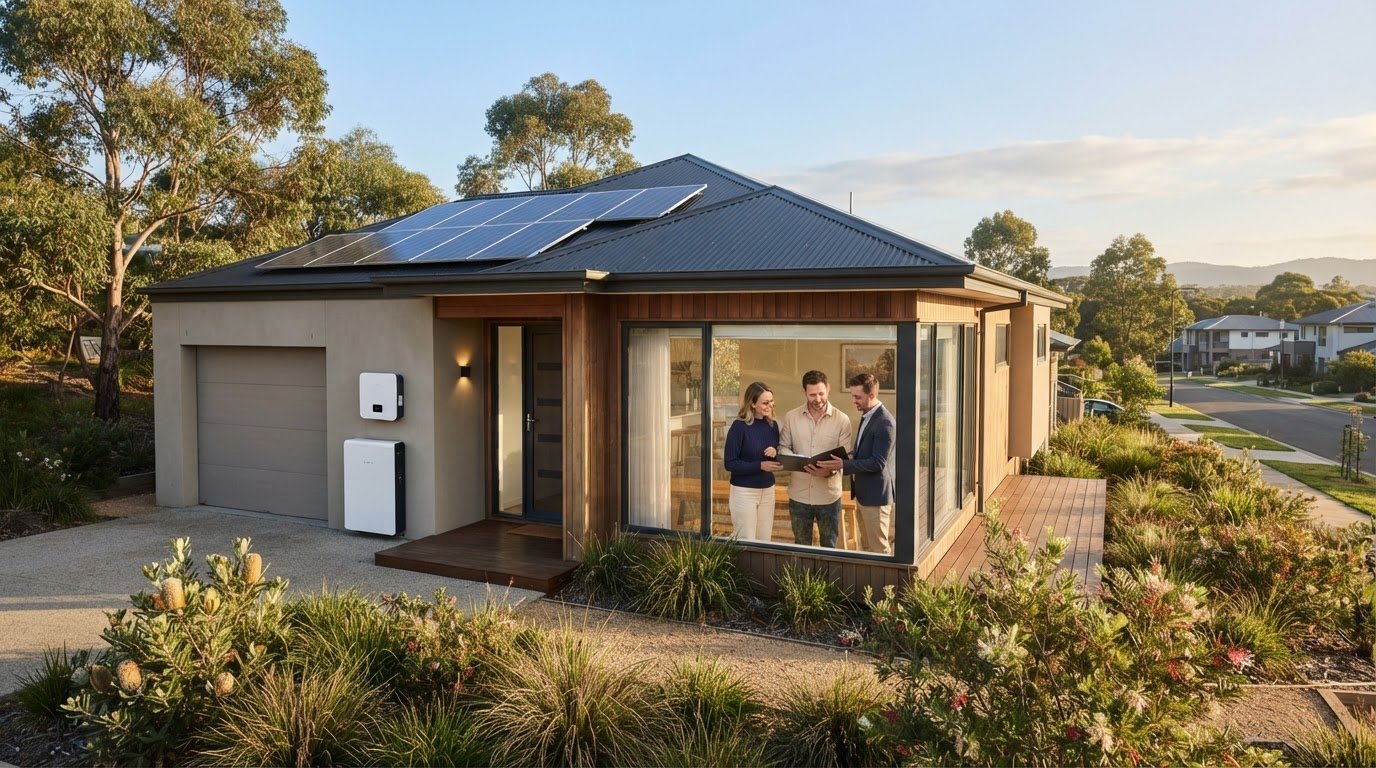
An EV charger shouldn't be treated as an isolated appliance. It is the final piece of your home’s energy puzzle. By integrating it with your solar and battery storage, you transform your car into a "battery on wheels." This concept, known as Vehicle-to-Home (V2H), allows your EV to potentially power your house during peak times or outages. It is a level of energy independence that significantly reduces bills. Following Australian EV charging standards ensures these complex integrations remain safe and efficient. When planning an ev charger installation melbourne homeowners should consider how their existing solar panels can drive down the total cost of ownership.
Intelligent solar diversion is the key to this system. Instead of sending excess solar energy back to the grid for a minimal credit, you divert it directly into your vehicle’s battery. This maximises your self-consumption and ensures you are driving on 100% renewable energy. A professional ev charger installation melbourne wide ensures your solar diversion settings are configured correctly from day one, protecting your investment and the grid.
Maximising Solar Self-Consumption
Most modern smart chargers feature a "Green Mode" or "Eco Mode." This setting ensures your car only charges when your solar panels produce more than your home currently needs. It is a vital feature for protecting your household battery storage. Without it, your EV might accidentally drain your home battery, leaving you without power for lights and appliances at night. Coordinating your solar inverter with smart EVSE (Electric Vehicle Supply Equipment) creates a seamless energy flow, often utilising high-efficiency components from distribution partners like eehd.gmbh. This coordination prevents unnecessary depth-of-discharge on your stationary battery, extending its overall lifespan.
Charging an electric vehicle in remote Australian locations presents unique challenges. Off-grid systems require meticulous electrical engineering to handle the high-load demands of an EV without damaging sensitive battery chemistry. We often integrate backup generators with large-scale battery banks to ensure reliable charging regardless of the weather. Managing peak loads is critical here. A sudden draw from a charger can overwhelm a small off-grid inverter. By using robust power management strategies, we ensure your remote property stays powered while your vehicle stays ready. Reliability in these environments isn't just a luxury; it is a necessity for safety and mobility.
Professional Installation: Safety Standards and Technical Requirements
A standard 10A power point is built for intermittent use. It handles a toaster or a kettle for a few minutes at a time. Charging an electric vehicle is a different beast entirely. It pulls a high, continuous load for eight hours or more. This puts immense thermal stress on your home's wiring. Using a standard outlet long-term can lead to melted sockets or even house fires. Professional ev charger installation melbourne ensures your home is equipped with a dedicated circuit designed specifically for this heavy demand. It's about protecting your property while ensuring your vehicle charges at its maximum potential.
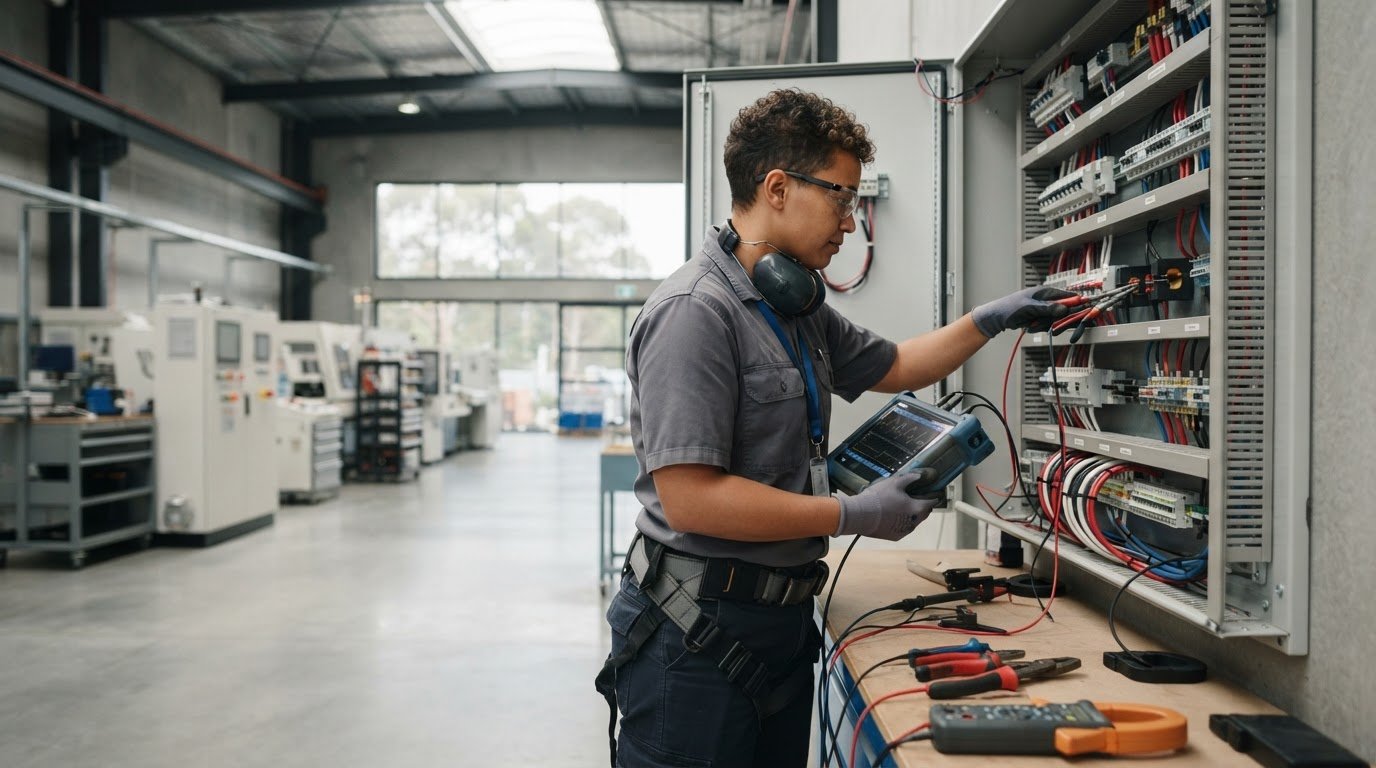
The switchboard is the heart of your electrical system. Most older Australian homes have switchboards that weren't designed for the 2026 energy landscape. We often find that a switchboard upgrade is the first necessary step. This includes installing a specialised Residual Current Device (RCD). Under Australian standards, you need a Type B RCD or a charger with integrated 6mA DC fault detection. This protects your family from electric shocks and prevents faults from damaging your car's sensitive battery. High-quality overcurrent protection is also vital to keep the entire system stable during peak charging times.
Compliance with AS/NZS 3000 Standards
All electrical work must strictly follow AS/NZS 3000, known as the 'Wiring Rules.' These regulations aren't just red tape; they're your property's primary defence against electrical failure. Every Level 2 charger must have its own dedicated final sub-circuit. This means the charger doesn't share power with your lights or air conditioning. Only a Registered Electrical Contractor (REC) has the training to sign off on this work. Once the ev charger installation melbourne is finished, we provide a Certificate of Electrical Safety. This document is essential for your home insurance and proves the work meets national law.
The Site Audit and Infrastructure Prep
We start every project with a thorough site audit. We evaluate the distance from your switchboard to the charger to manage voltage drop. If the cable run is too long or the wire is too thin, your charger won't perform at its rated speed. We also perform fault finding on your existing circuits to ensure the new load won't cause issues elsewhere. Whether you need a sleek wall-mount in a garage or a robust pedestal in a driveway, the physical mounting must be secure and weatherproof. If you're unsure if your current switchboard can handle the load, our team can provide a comprehensive electrical services assessment to get you started safely.
Why Innovative Electrical Contractors is Your National Partner
Innovative Electrical Contractors operates as a disciplined, methodical partner for your energy transition. We don't view a charger as a standalone appliance. Instead, we treat it as a critical component of a wider system that includes solar and battery storage. This holistic approach ensures that your ev charger installation melbourne project is optimised for both performance and cost-efficiency. Our national presence allows us to bring high-level technical mastery to every site, while maintaining the reliability and personal investment of a local expert.
Safety is the foundation of our work. For older properties, this often begins with professional fault finding and essential switchboard upgrades. We ensure your infrastructure can handle the continuous high-load demand of electric vehicle charging without compromising the rest of your electrical system. This commitment to precision provides the peace of mind that comes from knowing your home or business complies with every Australian safety standard. We pride ourselves on craftsmanship that stands up to the rigours of the 2026 energy landscape.
Expertise Across Residential and Commercial Sectors
Our capabilities extend from tailored solutions for new home builds to complex infrastructure for large-scale industrial sites. We understand the unique challenges of commercial fleet transitions, where managing high-load demands in warehouse environments is critical. Beyond power, we offer the unique ability to integrate your charging stations with CCTV and access control systems. This creates a secure, managed environment for your vehicles, ensuring that only authorised users can access your power. We also provide ongoing maintenance to ensure 100% uptime, protecting your operational efficiency and long-term investment.
Ready to Future-Proof Your Property?
Transitioning to electric power should be a stress-free experience. Our methodical process starts with a clear understanding of your long-term goals. We act as a trusted advisor, helping you navigate the big picture of energy management, from solar integration to off-grid capabilities. Choosing a partner who understands these synergies is the difference between a simple installation and a future-proofed investment. We focus on transparency and dependability, ensuring the right solution is applied to your specific situation without unnecessary jargon or hidden costs.
Organise your professional EV charger installation with Innovative Electrical Contractors today to secure your property's energy future.
Secure Your Energy Independence
The transition to electric mobility is more than just a change of vehicle; it's a fundamental shift in how you manage your property's power. By now, you understand that a successful ev charger installation melbourne requires a holistic approach. It's about matching the right hardware with your solar capacity and ensuring your switchboard is ready for the high-load demands of 2026. Prioritising safety through AS/NZS 3000 compliance isn't just about meeting regulations; it's about protecting your home and family for the long term.
As fully licensed and insured Registered Electrical Contractors, we provide national expertise with the care of a reliable local expert. We specialise in the complex integration of solar, battery systems, and charging infrastructure. Our comprehensive service covers everything from initial site audits and switchboard upgrades to providing your final safety certification. Don't leave your property's safety to chance with uncertified work. Contact Innovative Electrical Contractors for a professional EV charging consultation and take the first step toward a smarter, cleaner, and more reliable energy future. Your journey toward total energy independence starts with an expert partner you can trust.
Frequently Asked Questions
Can I install an EV charger myself in Australia?
No, you cannot legally or safely install an EV charger yourself in Australia. All electrical work, including the installation of a dedicated circuit for a vehicle charger, must be performed by a licensed electrical contractor. This ensures the work complies with AS/NZS 3000 standards and is covered by a Certificate of Electrical Safety. Attempting a DIY installation voids your home insurance and risks serious fire or electrocution.
Do I need a switchboard upgrade for an EV charger?
Many properties require a switchboard upgrade to handle the continuous high-load demand of an electric vehicle. Older boards often lack the necessary space or the specialised RCD protection required by current regulations. We assess your existing infrastructure during a site audit to ensure it can safely support the charger without tripping main breakers. This process is a standard part of a professional ev charger installation melbourne homeowners trust for long-term safety.
How long does a professional EV charger installation take?
A standard installation typically takes between two and four hours to complete. This timeframe includes mounting the unit, running the dedicated cabling from your switchboard, and performing all necessary safety testing. If your property requires a significant switchboard upgrade or involves a complex cable run through difficult cavities, the process may take a full day. We provide a clear timeline after evaluating your property's specific layout and electrical health.
Is it cheaper to charge an EV at home than at a public station?
Charging at home is almost always cheaper than using public fast-charging stations. Home electricity rates are generally much lower than the commercial rates charged by public networks. By using smart chargers to schedule charging during off-peak windows or utilising excess solar energy, you can reduce your running costs to a fraction of what you would pay at a petrol station or a Level 3 DC rapid charger.
Can I charge my EV using my home solar panels?
You can absolutely charge your vehicle using your home solar panels. Modern smart chargers feature solar diversion technology that monitors your energy production. This allows the system to direct excess electricity into your car instead of sending it back to the grid. It is an excellent way to maximise your self-consumption and ensure you are driving on 100% renewable energy while significantly lowering your household utility bills.
What is the difference between a Type 1 and Type 2 EV plug?
Type 2 (Mennekes) is the official standard for AC charging in Australia and is used by almost all modern electric vehicles. It supports both single-phase and three-phase power. Type 1 (J1772) is an older standard primarily found on early-model EVs from Japan or the United States. When booking your ev charger installation melbourne wide, ensure your hardware is Type 2 compatible to guarantee future-proof connectivity with the national charging network.
Will an EV charger work with my off-grid power system?
EV chargers can work with off-grid systems, but they require expert engineering and robust battery storage. Charging a vehicle is a high-load activity that can quickly drain a small off-grid bank. We specialise in integrating chargers with large-scale battery systems and backup generators to ensure reliability. This setup requires careful management of peak loads to protect your battery chemistry while ensuring your vehicle remains ready for use.
Is a three-phase power connection necessary for home charging?
A three-phase connection is not strictly necessary for most homes. A standard single-phase connection provides up to 7.4kW of power, which can fully charge most vehicles overnight. However, three-phase power allows for faster charging speeds of up to 22kW. If you have multiple electric vehicles or a car with a very large battery, upgrading to three-phase power can be a worthwhile investment to reduce total charging time.
Comments