
Commercial Solar Business Case: Understand Costs and Payback

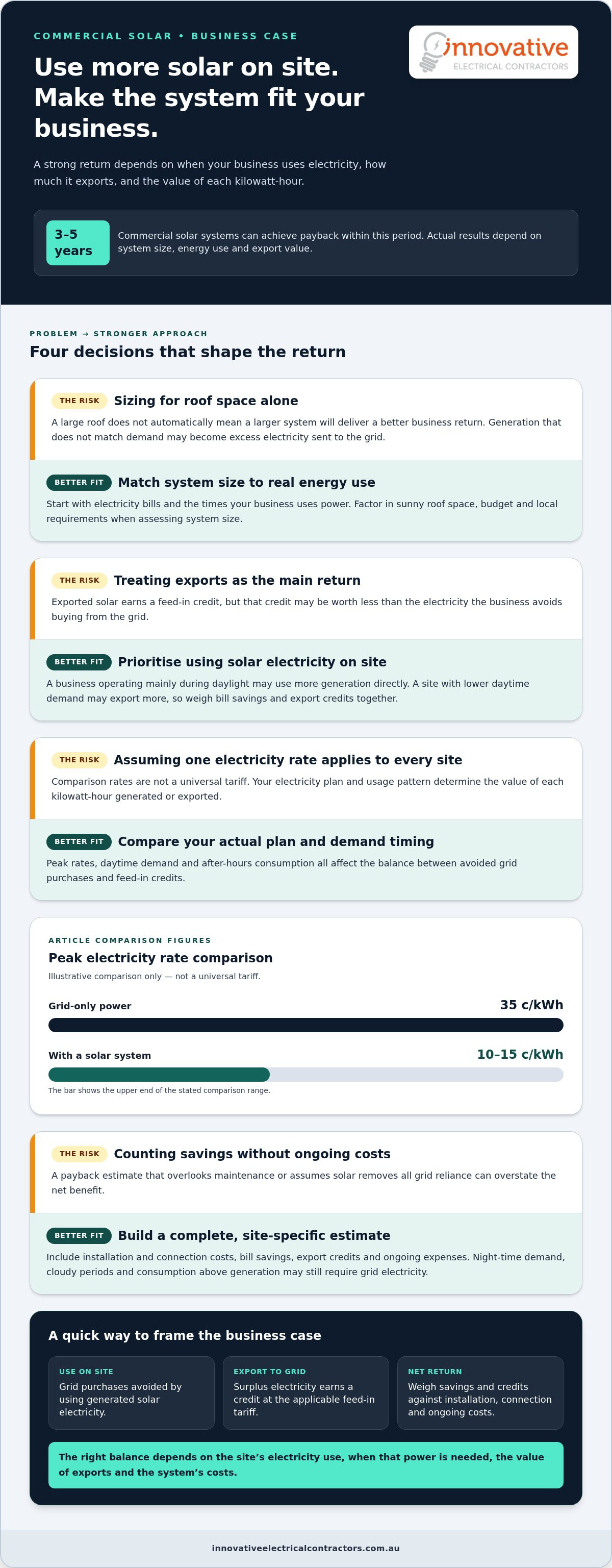
Exporting more solar power isn’t always the best way to improve a business’s return. The business case for commercial solar installation depends on matching system size to when electricity is used, the installed cost, available incentives and the value of excess electricity sent to the grid. Commercial solar systems in Australia typically have payback periods of 3 to 7 years, but the result depends on how those factors work together.
Look beyond panel count or headline savings when building a business case for commercial solar installation. Using solar electricity on site can reduce grid purchases, while exported power earns a credit that may be worth less than the electricity the business avoids buying. Roof space, tariffs and the timing of energy demand all affect the calculation.
This guide explains how to assess system size, upfront costs, incentives, export credits and payback. It also draws on a commercial solar example from Western Australia to show why a sound business case starts with the site’s actual energy use, not a one-size-fits-all estimate.
Table of Contents
Government incentives, certificates and tax benefits
Australian businesses may access solar incentives through certificates and tax rules, rather than a guaranteed rebate. Options to assess include Small-scale Technology Certificates (STCs), Large-scale Generation Certificates (LGCs) and the Federal Government’s Instant Asset Write Off scheme.
Incentives and customer affordability
Incentives can improve affordability by changing the financial value of an eligible solar installation and its upfront cost. For a business assessing solar power, the system’s size determines which certificate pathway may apply.
Solar PV systems under 100 kW may be eligible to create STCs under the Small-scale Renewable Energy Scheme. According to the Clean Energy Regulator, one STC is equivalent to one megawatt hour of electricity generated by a solar PV system. That unit connects certificate eligibility with expected generation, making system specifications relevant to the business case.
Treat certificates as one part of the calculation, not a complete measure of savings. Compare their effect with the expected reduction in energy costs from using solar electricity on site, then assess how the remaining upfront cost affects cash flow. Smaller and larger systems may fall under different certificate arrangements.
Tax incentives and government rebates
The Federal Government’s Instant Asset Write Off scheme may allow eligible businesses to claim all or part of a commercial solar system’s cost as a tax write-off. Thresholds and eligibility criteria apply, so the potential tax benefit depends on the business and the asset.
A tax write-off is not a cash rebate against the installation invoice. It changes the tax treatment of an eligible cost, so keep it separate from direct energy savings when comparing options. Include it in the financial assessment only if the business meets the scheme’s criteria.
When comparing two system sizes, assess the eligible cost and applicable threshold for each option. This helps show whether the tax treatment affects the upfront cost, expected cash flow or projected return, rather than assuming every installation receives the same benefit.
Commercial solar incentives
For Australian commercial solar, the certificate pathway differs by capacity. Solar PV systems under 100 kW may be eligible to create STCs, while LGCs are available for Australian solar systems over 100kW. The 100 kW threshold therefore matters when comparing system designs.
Incentives can influence how a business evaluates system capacity, but they don’t replace a site-specific energy assessment. Compare expected generation, electricity used on site and exported power alongside certificate eligibility. The financial case should account for both energy costs and the applicable incentive pathway.
Before settling on a size, map the proposed system against the 100 kW threshold and consider the business’s tax eligibility separately. That distinction helps prevent a certificate benefit or potential tax write-off from being treated as a guaranteed rebate or identical saving for every business.
Solar feed-in tariffs and exporting excess electricity
Australian businesses can export surplus solar electricity to the grid and receive a credit that reduces electricity costs. That credit is only part of the return: using electricity on site can avoid grid purchases, while exported power earns the applicable feed-in tariff.
Compare the value of these two uses when assessing a solar system. Small and medium businesses generally gain most by using as much generated solar power as possible, rather than sizing a system around exports alone. The balance depends on electricity use and timing, sunny roof space, budget and local requirements.
Start with electricity bills to understand when and how much power the business uses. In Queensland, bills can help identify a suitable system size. A business operating mainly during daylight can use more generation directly; a site with lower daytime demand may export more. This affects the balance between bill savings and feed-in credits.
Peak electricity rates also influence solar profitability. An Australian commercial electricity comparison lists a peak usage rate of 35 c/kWh for grid-only power, compared with 10-15 c/kWh with a solar system. Treat these as comparison figures, not a universal tariff: a business’s actual electricity plan and usage pattern determine the value of each kilowatt-hour generated or exported.
Payback estimates should include both avoided electricity purchases and export credits. Commercial solar systems can achieve payback within 3 to 5 years, but the estimate depends on system size, energy use and the value of exported electricity. Maintenance also belongs in the long-term assessment, because ongoing system costs affect net savings after installation.
Solar can reduce exposure to electricity price rises by supplying part of a business’s power from its own generation. It won’t eliminate grid reliance: night-time demand, cloudy periods and consumption above generation may still require purchased electricity. A sound design matches generation to operating hours and considers whether excess power will be used, stored or exported.
For example, compare a daytime-heavy business with one that uses most of its electricity after hours. The first may use more solar directly, while the second may depend more on export credits or storage to shift generation for later use. This comparison helps clarify whether the expected savings support the investment and the role of solar project planning in shaping the system.
Rates of US$0.20 per kilowatt-hour or more are described as typically creating the most profitable solar opportunities, while Queensland businesses should weigh export benefits.
Business energy consumption and system sizing
Size a commercial solar system around the business’s electricity use, operating hours and sunny roof space. A system that generates power when the site needs it can reduce grid purchases more effectively than one sized on roof space alone.
Commercial solar, grid electricity and battery storage serve different roles. Solar panels generate renewable energy during daylight, the grid supplies any shortfall, and a battery stores surplus solar energy for later use or higher-cost periods. Batteries add upfront cost and can extend payback compared with solar PV alone.
Use electricity bills and operating schedules to understand demand across the day. A 10 kW solar PV system in Sydney was estimated to generate an average of 40.0 kWh per day. Actual output varies by location, so a Sydney estimate won’t represent a site elsewhere. Match expected solar energy generation with the business’s daytime consumption and consider how much electricity it may still need from the grid.
Installation costs depend on system capacity and site requirements, including roof conditions, electrical work and grid connection needs. Rather than relying on a headline figure, compare the proposed system’s scope with its expected generation and the energy costs it could offset. Connection requirements can also affect capital costs.
Solar panels typically last 25 to 30 years, and most commercial systems maintain around 80% efficiency after 25 years. Inverters may need replacing every 10 to 15 years, while manufacturer warranty periods are typically 25 years or more for panels and 10-25 years for inverters. These differences matter: the inverter may require attention before the panels reach the end of their useful life.
Budget for maintenance and monitor system performance over time. Cleaning, inspections and fault repairs can help keep generation aligned with expectations, while inverter replacement may be a future operating cost. Include these ongoing considerations alongside installation costs when assessing long-term value.
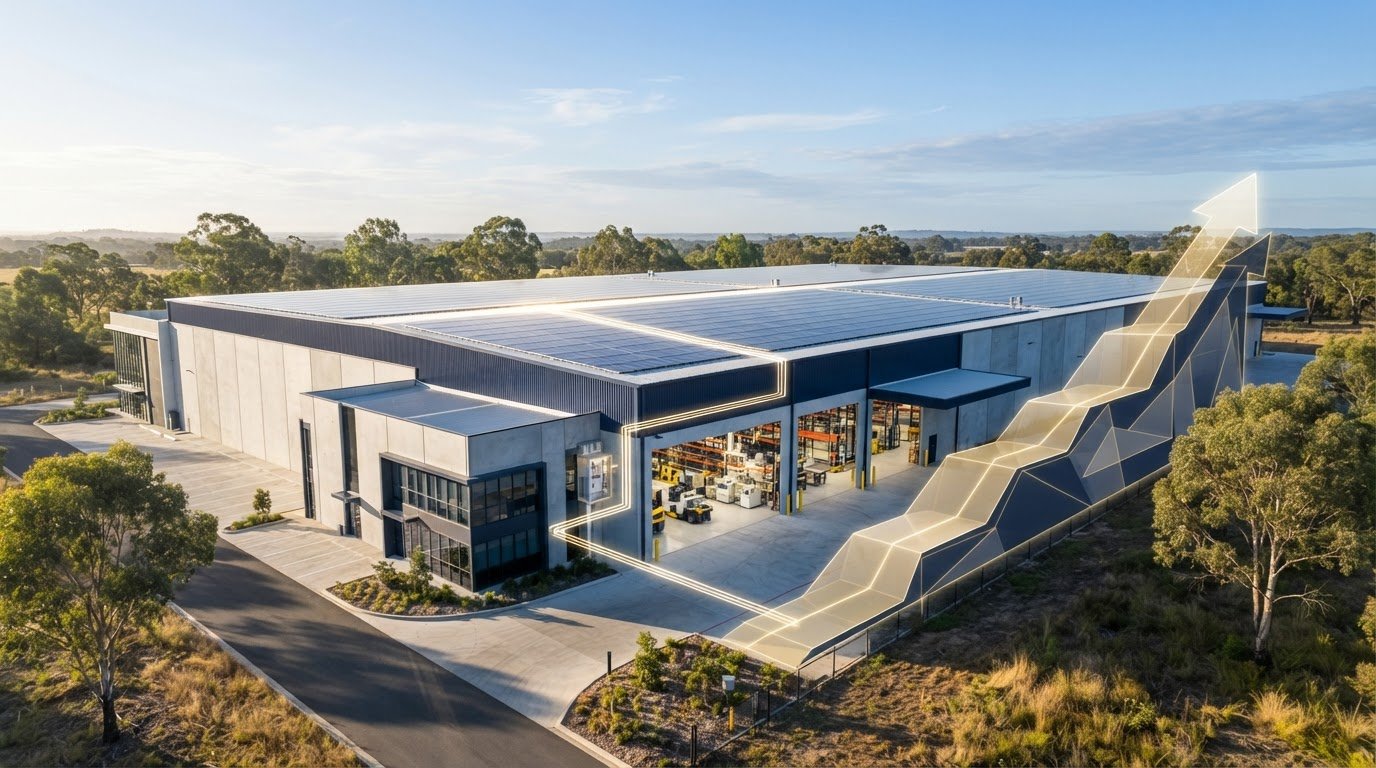
Assessment starts with reviewing electricity bills, operating hours, roof space and the site’s electrical requirements. The design then matches system capacity and components to those conditions. Installation follows, with grid connection arrangements considered as part of the project. Commissioning checks that the installed system operates as intended and suits the business’s electrical setup.
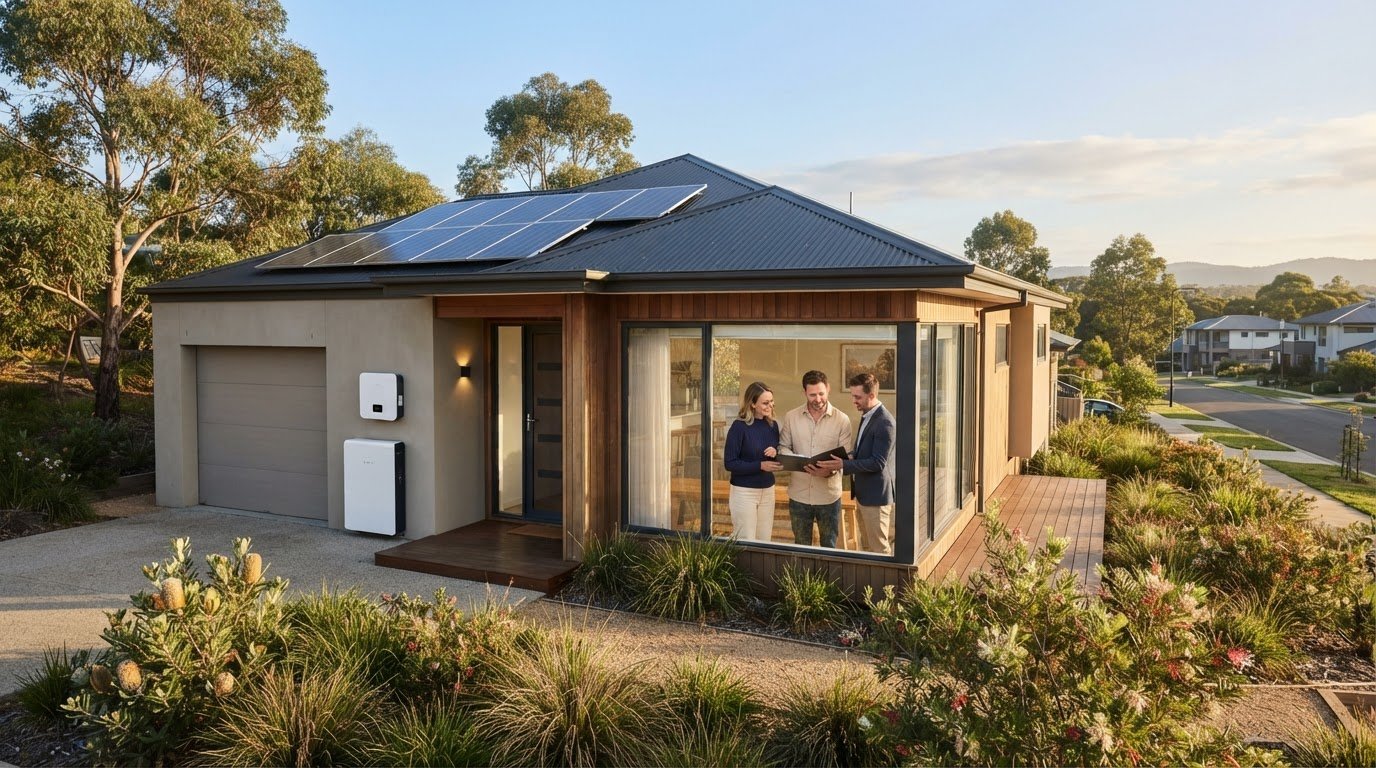
For a business case, compare grid-only supply with solar generation and, where useful, battery storage. A battery can store excess solar energy for after-hours use and may reduce peak demand charges if the electricity plan includes them. Its value depends on the site’s demand profile and tariff, so assess storage separately from the solar panels and inverter.
Commercial solar cost and return on investment
A sound financial assessment compares the upfront investment with bill savings, export credits and ongoing costs. Commercial solar systems in Australia typically have payback periods of 3 to 7 years.
Upfront investment and permitting challenges
Upfront investment covers equipment, installation and site-specific electrical or grid connection work. These costs determine how much capital the business commits before savings begin.
Permitting can affect project timing and scope. In New South Wales, solar PV systems larger than 100 kW require development consent. A business planning a system above that threshold should include the consent process in its project schedule and financial assessment.
Technical risks include unexpected site work or a design that doesn’t match demand. Performance risks arise if generation, on-site use or export credits differ from projections. A battery adds storage capacity, but its upfront cost needs to be weighed against the value of using stored electricity.
Financial analysis and return on investment
Financial analysis estimates how solar changes cash flow over the system’s operating life. Compare upfront costs with avoided grid purchases, export credits and ongoing expenses, including maintenance and future equipment replacement. A business case for commercial solar installation should show each element, rather than relying on a headline return.
Use the business’s actual tariff and energy profile. Electricity used on site can displace grid purchases, while exported electricity earns a credit. The value of each depends on applicable rates and when the business consumes power.
Rebates, certificates and eligible tax benefits can affect the net investment, but they aren’t interchangeable with bill savings. Record each separately in the financial model. This shows how incentives may change the upfront amount and projected return without treating a potential benefit as guaranteed income.
Technical assumptions also shape the result. If generation falls below projections or the business uses less solar power than expected, savings may be lower. Review expected output, operating schedules, export arrangements and maintenance needs together.
Payback period and ROI
Payback period is the time taken for accumulated savings to recover the initial investment. Australian commercial solar systems typically have payback periods of 3 to 7 years. Return on investment measures the financial benefit against the capital committed.
For a practical comparison, model the proposed system against a grid-only scenario. Include avoided electricity purchases, export credits, applicable incentives and operating costs. A business case for commercial solar installation should distinguish a shorter payback from the system’s overall financial value over its operating life.
Generation, electricity use, tariffs and maintenance all influence the result. Reviewing these assumptions together helps decision-makers see what drives the projected return and whether the investment fits the business’s financial priorities.
Commercial solar case study in WA
Real-world examples show why a commercial solar case study needs more than a panel count. System capacity and daily generation describe different things, while bill savings depend on how much power the business uses as it is produced.
At a commercial office block featuring a 25.65 kW rooftop system installed using 95 solar panels, those figures establish the system’s capacity and panel count. They don’t, by themselves, show how much electricity the building consumed, how much generation it used on site, or the financial return owners received.
That distinction matters. To assess a project like this, connect the system’s generation with the building’s electricity demand during the day. Electricity used directly can reduce grid purchases; surplus generation may be exported for a credit. The credit and avoided energy costs are separate parts of the financial picture.
A separate small-business solar example reports average generation of 58.5 kWh per day. It offers a useful generation measure, but daily output alone doesn’t establish savings or payback. Those outcomes also depend on the business’s operating hours, electricity tariff, self-consumption and the value assigned to exported energy.
For commercial sites, solar production on sunny days is generally best between 10am and 2pm. Compare that window with equipment schedules, opening hours and other electricity demand. A business using power during those hours may consume more rooftop solar directly. A site with lower daytime demand may export a larger share instead.
Use examples to frame a practical assessment. First, record system capacity and expected generation. Then compare hourly electricity use with generation, separating direct use from exports. Finally, include the electricity bill, export credit and ongoing costs in the financial calculation. This makes the environmental contribution clear without confusing it with financial savings.
Neither the 25.65 kW system nor the 58.5 kWh daily example should be treated as a standard result for every site. Roof conditions, energy demand and operating schedules vary between businesses. The useful takeaway is to examine a project’s actual generation and consumption together, rather than judging its value by panel numbers alone.
For a site-specific commercial solar assessment, discuss commercial solar system design with Innovative Electrical Contractors in the context of your building’s energy use and rooftop conditions.
A business might consider batteries for its solar-equipped building within the next 12 months. That consideration can be included in a site assessment alongside generation and demand, while remaining a separate decision from the existing solar system’s output. Any comparison should use the building’s own operating pattern and electricity costs, rather than assuming battery storage guarantees higher savings.
Innovative Electrical Contractors: Commercial Electrical
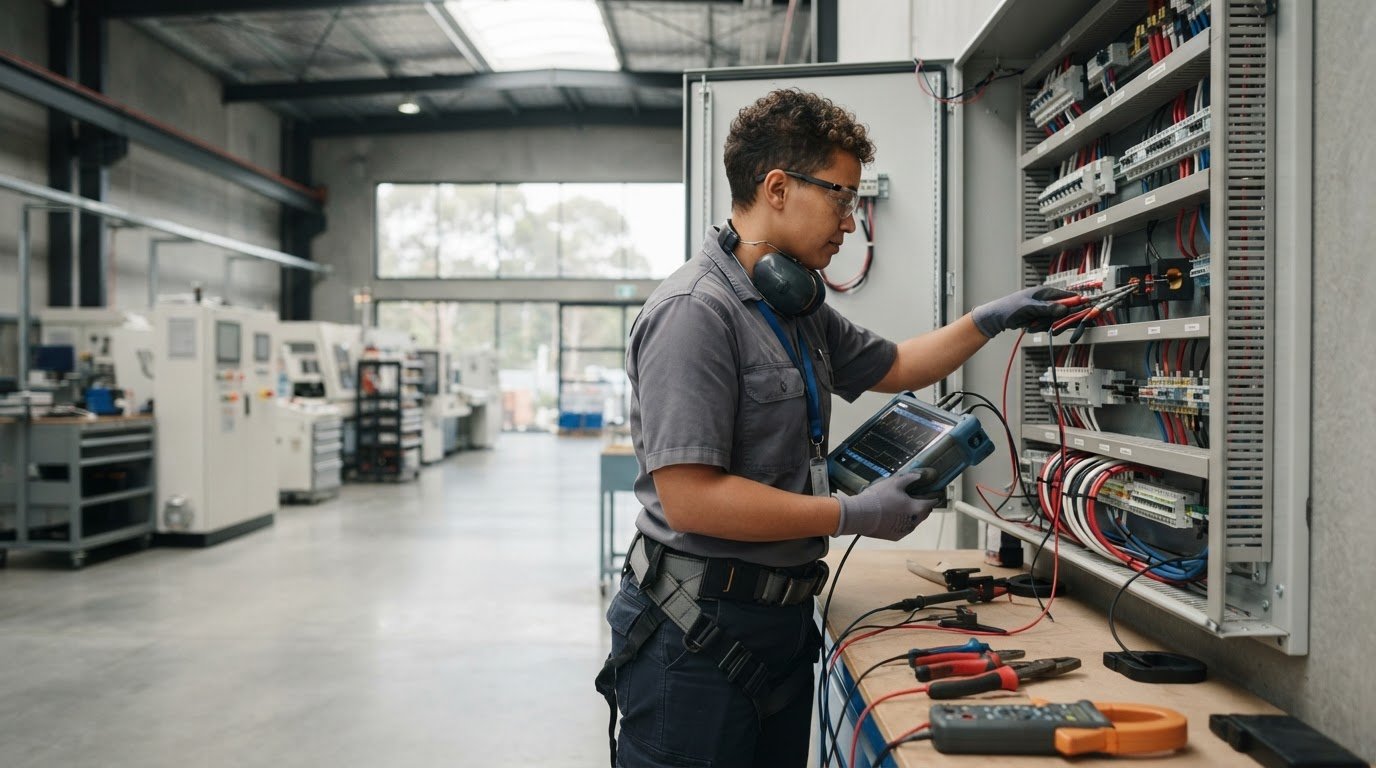
Innovative Electrical Contractors provides Commercial Electrical services for businesses planning electrical work alongside a commercial solar project. Its Solar & Battery installations support businesses considering solar generation and stored energy, while off-grid solar, battery and generator installations suit projects designed around off-grid power needs.
Turn to the team when you’re ready to move from comparing system economics to planning electrical work for your site. The right scope depends on the building, energy use and whether you’re considering grid-connected or off-grid power. Innovative Electrical Contractors also provides Electrical Services for commercial electrical requirements connected with a project.
To discuss your commercial electrical or solar project, contact Innovative Electrical Contractors.
Make the next move with a clear project brief
Turn your assessment into a practical brief for the decision-makers responsible for the site. Set out the business’s energy priorities, operating requirements, roof considerations and preferred funding approach. A robust business case for commercial solar installation connects those priorities to a system design that can be assessed against the way the business operates.
Innovative Electrical Contractors provides Commercial Electrical and Electrical Services, as well as off-grid solar, battery and generator installations. These services are a natural next step when your plans move from evaluating the investment to considering how solar and electrical requirements fit your premises. A clear outline of your objectives helps shape a focused discussion about the work ahead.
Take the next step at a pace that suits your business. Contact Innovative Electrical Contractors to discuss your commercial electrical or solar project and move forward with clarity.
Frequently Asked Questions
What are the upfront costs of commercial solar installation in Australia?
There isn’t one upfront price for every commercial solar installation. Cost depends on system capacity, roof and building work, electrical requirements, grid connection needs and whether battery storage is included. These factors shape the project scope and equipment requirements. A quote sets out the cost for the specific installation, helping your business compare the proposed work with expected energy use and financial priorities.
How much can Australian businesses save on electricity bills with commercial solar?
Savings depend on how much solar electricity a business uses on site, the grid rates it avoids and the credit earned for exports. For example, a business operating during sunny hours may use generation directly, while a site with lower daytime demand may export more. Compare interval electricity use with expected generation, then account for the business’s tariff and export arrangements to estimate bill savings.
What approvals, standards and grid connection rules apply to commercial solar in Australia?
Requirements vary by state, system size and distributor. In Queensland, businesses need their electricity distributor’s approval to connect solar to the grid before installation. New or replacement rooftop solar PV and battery systems rated at 10 kilovolt amperes or greater require a generation signalling device. In New South Wales, systems 10 kW or smaller are exempt developments subject to conditions; systems larger than 10 kW and smaller than 100 kW require a complying development certificate, while systems larger than 100 kW require development consent.
Comments